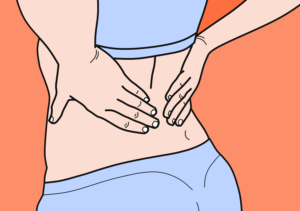
Prolonged sitting, typical of computer work, often leads to muscle tension in the neck, shoulders and upper back. This discomfort can affect concentration, productivity and, above all, well-being at work. As physiotherapists, we recommend some simple and effective stretches to prevent and relieve these tensions.
Here are 5 cervical exercises that you can do at the office or at home to improve your mobility, relax your muscles and improve your pain.
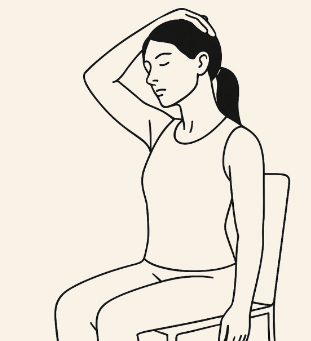
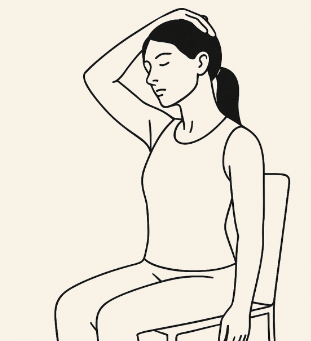
Lateral neck stretch (upper trapezius)
 👣 How to:
- Sit with your back straight.
- Tilt your head to the right, as if you wanted to bring your ear to your shoulder.
- Place the right hand on the head and apply gentle pressure.
- Hold for 30 seconds.
- Repeat on the other side.
💡 Do it slowly and painlessly. Breathe deeply while holding the stretch.
"Yes - No - Maybe" cervical (active mobility)
👣 How to:
- Make slow "yes" movements (flexion-extension),
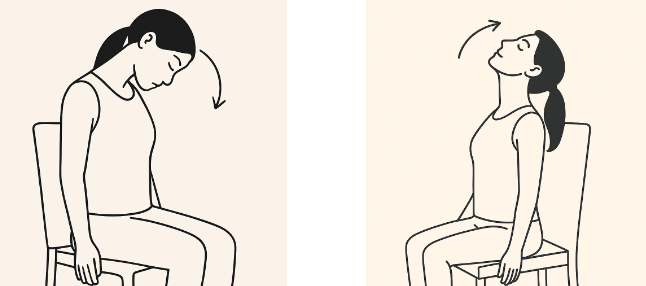
- Then "no" (right-left rotation),
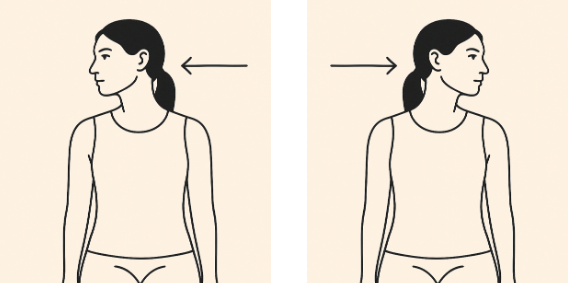
- And "maybe" (lateral tilt from ear to shoulder).
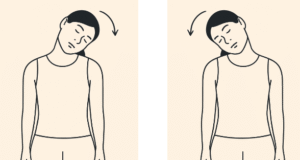
- 5 repetitions in each direction.
💡 Do it slowly and coming to the end of each movement.
Cervical retraction
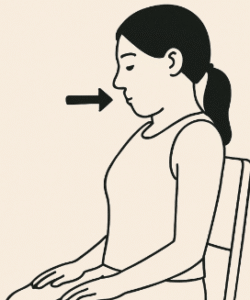 👣 How to:
- Sitting, facing forward, bring your chin back, as if making a jowl.
- Imagine that you want to lengthen your neck towards the ceiling.
- Hold for 5 to 10 seconds and relax.
- Repeat 10 times.
💡 This exercise activates the deep neck muscles and relieves pain.
Shoulder lift
👣 How to:
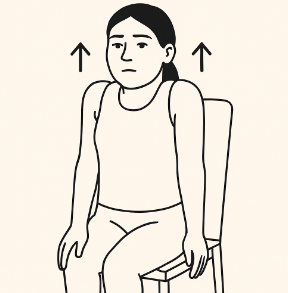
- Inhale deeply as you raise your shoulders toward your ears.
- Exhale slowly while lowering your shoulders, relaxing your muscles.
- Repeat 10 times.
💡 Very useful during active breaks to reset body and mind.
Shoulder rotations
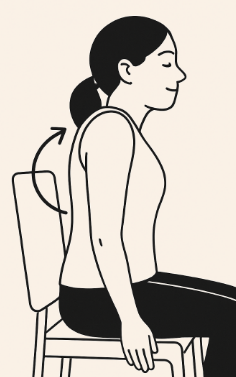 👣 How to:
- Inhale by gently lifting the shoulders toward the ears.
- Exhale as you roll them back and down.
- Make 10 circles backwards, then 10 forwards.
Physical therapist's advice: incorporate active breaks.
Move frequently! Get up, walk around, do some stretching or cervical exercises throughout the day to reduce muscle tension and help prevent discomfort or pain.
If despite these exercises, pain persists or becomes chronic, it is important to consult with a physical therapy professional. Our specialized physical therapists can perform a complete evaluation, tailor exercises to your needs and work with you on a long-term prevention plan at
.
Prolonged sitting, typical of computer work, often leads to muscle tension in the neck, shoulders and upper back. This discomfort can affect concentration, productivity and, above all, well-being at work. As physiotherapists, we recommend some simple and effective stretches to prevent and relieve these tensions.
Here are 5 cervical exercises that you can do at the office or at home to improve your mobility, relax your muscles and improve your pain.
Lateral neck stretch (upper trapezius)
👣 How to:
- Sit with your back straight.
- Tilt your head to the right, as if you wanted to bring your ear to your shoulder.
- Place the right hand on the head and apply gentle pressure.
- Hold for 30 seconds.
- Repeat on the other side.
💡 Do it slowly and painlessly. Breathe deeply while holding the stretch.
"Yes - No - Maybe" cervical (active mobility)
👣 How to:
- Make slow "yes" movements (flexion-extension),
- Then "no" (right-left rotation),
- And "maybe" (lateral tilt from ear to shoulder).
- 5 repetitions in each direction.
💡 Do it slowly and coming to the end of each movement.
Cervical retraction
👣 How to:
- Sitting, facing forward, bring your chin back, as if making a jowl.
- Imagine that you want to lengthen your neck towards the ceiling.
- Hold for 5 to 10 seconds and relax.
- Repeat 10 times.
💡 This exercise activates the deep neck muscles and relieves pain.
Shoulder lift
👣 How to:
- Inhale deeply as you raise your shoulders toward your ears.
- Exhale slowly while lowering your shoulders, relaxing your muscles.
- Repeat 10 times.
💡 Very useful during active breaks to reset body and mind.
Shoulder rotations
👣 How to:
- Inhale by gently lifting the shoulders toward the ears.
- Exhale as you roll them back and down.
- Make 10 circles backwards, then 10 forwards.
💡 Accompany the movement with deep, slow breathing. Ideal - to integrate into your active breaks throughout the day.
Physical therapist's advice: incorporate active breaks.
Move frequently! Get up, walk around, do some stretching or cervical exercises throughout the day to reduce muscle tension and help prevent discomfort or pain.
If despite these exercises, pain persists or becomes chronic, it is important to consult with a physical therapy professional. Our specialized physical therapists can perform a complete evaluation, tailor exercises to your needs and work with you on a long-term prevention plan at
.