Back pain and physiotherapy, a well-known combination
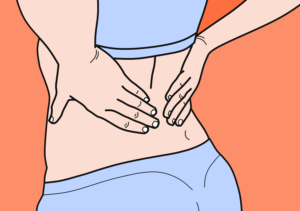
Back pain in physical therapy is a very common reason for consultation among these health professionals. It is generally benign and of short duration, but in some people it can become more persistent and significantly affect their well-being, even preventing them from carrying out their daily activities.
Regardless of its duration and intensity, it is normal to feel some concern when back pain appears, but there is no need for alarm! The implementation of simple exercises and the adoption of good practices are usually enough to solve the problem. To find out if it is necessary to go to physiotherapy, the Physiotherapy174 team clarifies the issue and gives you their advice in this article. Faced with persistent back pain and without specific pathologies, how do you know when it is necessary to consult a physiotherapist? What is the most common cause of these pains and how to prevent them? Find out below!
Should you consult a physical therapist immediately for your back pain?
What to do in case of recent and moderate back pain?
In most cases, the term "back pain" used by patients refers to low back pain, which manifests itself in the form of discomfort in the lumbar vertebrae, i.e. the lower back. Its causes can be multiple and some factors favor its appearance, such as a sedentary lifestyle, stress, muscle tension, poor posture or even sleeping on a mattress that is too old. In the case of low back pain, adopting good practices can help you recover quickly and regain your well-being.
If you are experiencing recent, moderate back pain, before seeing a physical therapist, you can start by practicing regular, gentle physical activity. Whether it's yoga, brisk walking, swimming or even our excellent Pilates classes in Palma de Mallorcayour sessions will allow you to:
- Stretch all the muscles in your back.
- Gently strengthen the dorsal musculature.
- Improve your posture.
- Activate your joints.
- Develop your flexibility.
The golden rule is to avoid rough or high-impact activities. If you suffer from low back pain, avoid squash, horseback riding or playing a game of soccer. Also, try to maintain good posture during the day and avoid heavy lifting or movements that may be harmful to your spine.
You'll notice the benefits of these habits quickly, which will hopefully motivate you to continue your physical activity... and avoid physical therapy sessions!
Physiotherapy, a solution when back pain persists

If low back pain is prolonged, i.e. if the back pain persists for more than 4 weeks despite following the above recommendations, it is advisable to see a physiotherapist. Of course, do not hesitate to consult a doctor before this period if you notice a worsening of your back pain or if other symptoms appear: a sudden change in your physical condition should be a warning sign.
In case of persistent back pain, present for 4 to 6 weeks, a physiotherapist will be able to define the most appropriate treatment according to the cause of your back pain and your physical capacity.
Different approaches to physical therapy for back pain
In physical therapy, the treatment of back pain can take different forms. During sessions, treatment may include:
- Massages, which help to eliminate tension and relax the muscles.
- Specific muscle strengthening exercises, sometimes with accessories such as elastic bands, gym balls or weights.
- Movements and physiotherapeutic techniques designed to relieve pain.
- Stretching of the spinal muscles to gently relax the spine.
The results are usually visible in a short time. In addition, one of the great benefits of physical therapy is that it allows health professionals to teach you the right habits to avoid the recurrence of back pain. Thanks to a personalized follow-up for each patient, we can give you practical advice adapted to your lifestyle and needs. Objective: to get rid of low back pain for good!
Preventive tips to avoid low back pain... and physiotherapy!
Prevention is the best treatment, so here are some key tips that can help you avoid the recurrence of back pain. One of the best habits you can adopt is to improve your posture. At work, on public transportation, while eating... At first it may take some effort, but over time you will do it naturally and effortlessly. As a result, you will strengthen your core and improve your overall well-being.
Regular physical activity: the best prescription against back pain
Once you have finished your physiotherapy sessions after persistent back pain, you will be able to resume your favorite physical activity without restrictions. Depending on the discipline you practice, we recommend investing in good quality sports equipment and equipment specifically designed for body wellness, such as:
- Clothing with accessible pockets to avoid unnecessary movement.
- Hiking, running or trail shoes suited to the shape of your foot and your biomechanical needs.
- Ergonomic weights that respect your physical capacity.
Taking these precautions reduces the risk of injury... and of returning to the physiotherapist!
Stretching, an essential routine against back pain
Physical therapy recommends regular stretching to combat occasional back pain, persistent low back pain and other everyday discomforts that affect your fitness. From the dog pose to the cobra exercise, there are many techniques that can provide lasting relief from back pain. Ideally, you should learn them from a professional, as part of a physiotherapy treatment, and then practice them at home at your convenience. This way, you will adopt the correct posture from the start and reduce the risk of injury - a habit you will soon be able to do without!
If your back pain worries you and seems to be prolonged despite your efforts to relieve it, do not hesitate to contact your specialist. In our physiotherapy center in Palma de Mallorca, each patient receives a personalized accompaniment and a tailor-made treatment: the key to an effective evolution in each session and a long-lasting relief.