September arrives every year with the same feeling: a return to work, to set schedules, and, for many, the need to “make up for” the excesses of summer. It’s common to feel some pressure to drastically resume healthy eating through restrictive diets or all-or-nothing approaches. However, this approach is often counterproductive and difficult to maintain.
From our practice, we see the same patterns every year: people who come in looking for a quick fix to “undo” the summer. The good news is that nothing drastic is needed. All it takes is to get back to balanced eating habits is, above all, a matter of consistency and small, sustainable adjustments over time.
Why It's Not a Good Idea to Start with Extreme Restrictions
Highly restrictive diets following a period of greater dietary flexibility tend to have the opposite effect of what is intended: they increase anxiety about food, encourage binge eating, and, in the medium term, cause us to give up on our goal prematurely. The body and mind need a gradual transition, not a sudden shift from one extreme to the other. Instead of approaching the return to routine as a “crash diet,” it’s more effective to think of it as a reorganization of habits that can be maintained throughout the year.
Practical Tips for Getting Back to a Balanced Diet
Restore the meal schedules
Summer tends to disrupt our schedules: later dinners, eating out, and constant snacking. Getting back to a regular schedule helps regulate your appetite and makes it easier to make better food choices. You don’t have to be strict, but try to maintain a certain routine for breakfast, lunch, and dinner.
Plan your weekly menus
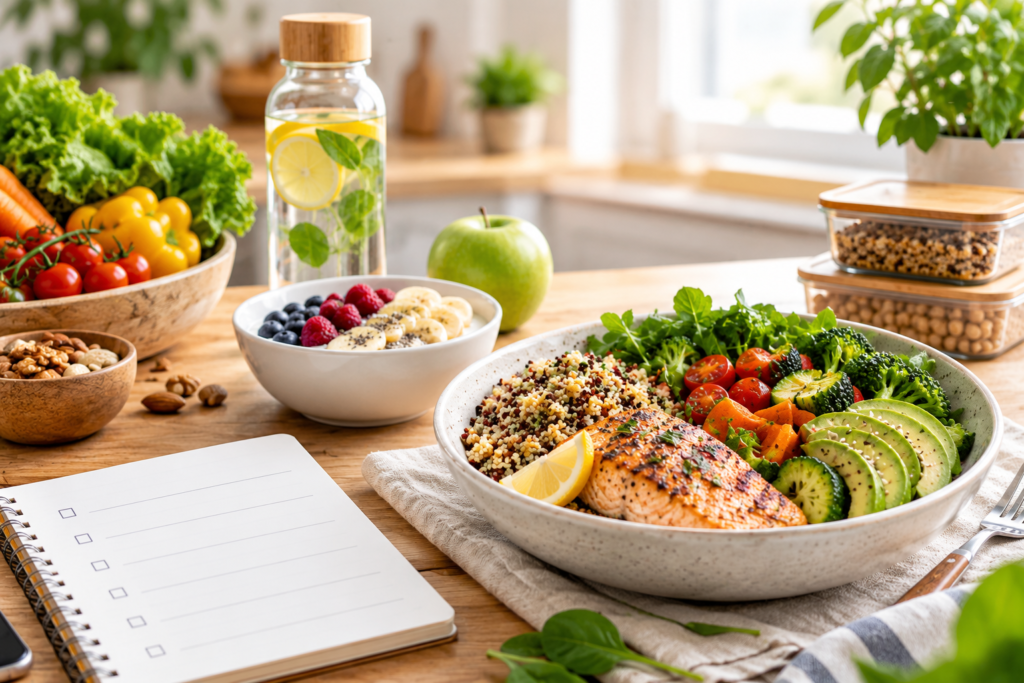
Spending a few minutes over the weekend planning your meals greatly reduces the need to improvise—and with it, last-minute unhealthy choices. A simple weekly meal plan, with protein, vegetables, and quality carbohydrates at every main meal, is enough to get you off to a good start.
Restock your pantry with healthy staples
Having legumes, fresh and frozen vegetables, fruit, nuts, eggs, and whole grains on hand makes it easier to whip up balanced meals without relying on ultra-processed foods. Take advantage of getting back into your routine to do a “refresh” grocery run.
Make water your main beverage again
During the summer, it's easy to get used to drinking soft drinks or alcoholic beverages. Making water your go-to drink again is one of the simplest changes you can make that has the biggest impact on your daily diet.
Gradually incorporate more fruits and vegetables
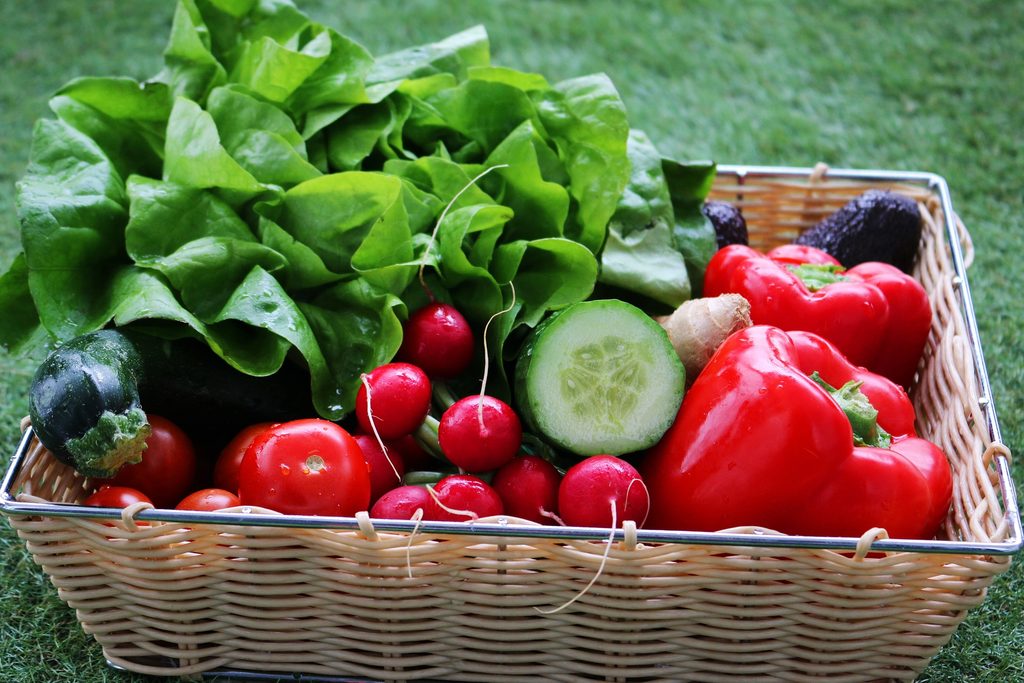
If you've been eating fewer vegetables over the summer, there's no need to double your intake all at once. Start by adding an extra serving of vegetables to lunch or dinner, and a piece of fruit as a mid-morning or afternoon snack.
Watch out for the “rebound effect” of snacking
Summer snacking —appetizers, tapas, ice cream—can become a habit. Returning to well-structured main meals that leave you feeling full helps naturally reduce the urge to snack between meals.
A Sample Menu to Start the Week
As a general example, a balanced day as you get back into your routine might look like this:
- Breakfast: whole-grain toast with avocado or a French omelet
- Lunch: sautéed lentils with rice + a piece of fruit
- Afternoon snack: plain yogurt with fruit and a handful of nuts
- Dinner: grilled fish with sautéed vegetables and roasted potatoes
It's not a rigid plan, but rather an example of how to combine protein, vegetables, and carbohydrates without overcomplicating things.
Mindset matters just as much as the menu
One of the most common mistakes in September is approaching the return to routine with a sense of guilt over what went “wrong” over the summer. This mindset doesn’t help: it creates more pressure and makes the changes feel like a punishment rather than a form of self-care.
It’s much more helpful to think of getting back into a routine as an opportunity to reconnect with habits that make us feel good, without striving for perfection from day one. Small, sustained changes over time have a much greater impact than drastic, short-lived changes.
Conclusion
September doesn’t have to mean strict diets or a harsh “starting from scratch.” Getting back into a routine, planning meals, stocking your pantry with healthy options, and making gradual progress are much more effective—and sustainable—strategies than any quick fix. If you need personalized help organizing your diet after the summer, at our clinic we can design a plan tailored to your needs and your daily routine.